Dr. Jobin Chacko
The Sunday March 29th is the commemoration of the dukhrono of St. Knai Thoma* according to the Liturgical Calendar of the Syriac Orthodox Church in Malankara.
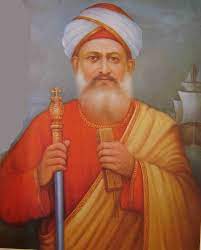
*Mor Knai Thoma was a wealthy Syriac Orthodox merchant who, on a trade expedition to India, found a Christian community who were descendants of the indigenous population & Jewish migrants evangelized by St. Thomas the Holy Apostle.* Tradition states that *bishop Joseph of Edessa had a vision of the Christian community in India in dire need of assistance.* It was soon after this revelation that Knai Thoma would personally visit bishop Joseph, upon return form India, telling him about the Malankara Nasrani community. The *two would receive Apostolic blessings & permission from the bishop of Antioch Mor Osthatheos to send a mission to India.* It is important to note that *Canon 6 of the Holy Ecumenical Council of Nicaea affirmed the authority of the Bishop of Antioch over regions of the East including India.* Historical records indicate *Mor Yousef (known as Ethalaha/Aitahalla in the Chronicle of Edessa) was a loyal supporter of Mor Osthatheos, joining him at the Council of Nicaea against the Arian heretics.*
*With the blessings of the Patriarch of Antioch, Knai Thoma brought with him Mor Yousef (who was succeeded in Edessa by Mor Abraham) along with 72 families from Edessa (Urhoy), a 400 member delegation of faithful Syriac Christians. The group included men, woman, children, priests & deacons.* Upon reaching Malankara, the *local ruler with the honorific Cheraman Perumal, welcomed the delegation which had many traders & successful businessmen. The community was granted privileges recorded in what is known as the ‘Knai-Thomman Chepped’.* Through the *mission work of Mor Yousef & the clergy, the Malankara Nasrani (a mixture of local individuals, ethnic Jews & earlier Syriac Christian faithful) accepted the spiritual authority of the Patriarch of Antioch and all the East.* Thus the *Malankara Church became an integral part of the Syriac Orthodox Church, accepting the Syriac Liturgy, traditions & customs.* Soon afterwards, further *cementing the eternal fraternity between Malankara & Antioch; the Holy Relics of St. Thomas the Holy Apostle were transferred to Edessa (Urhoy) on July 3rd AD394* & interred on August 22nd. When Mor *Knai Thoma died, he was entombed in the church he had built in honor of St. Thomas the Holy Apostle. Sadly, this church was destroyed in the 1500s* during wars between local rulers.
While *sharing the same faith with the Malankara Nasrani, the descendants of those who came with St. Knai Thoma would exist as a separate community.* Along with having *separate churches, the community known as Knanaya practice Endogamy & have their own unique traditions & customs.* The *Knanaya leaders & faithful, ever loyal to the Holy Apostolic See of Antioch continue to play an important role in the history of the Syriac Orthodox Church in India.* Their *counterparts in the Middle East are today known as the Urfalee.*
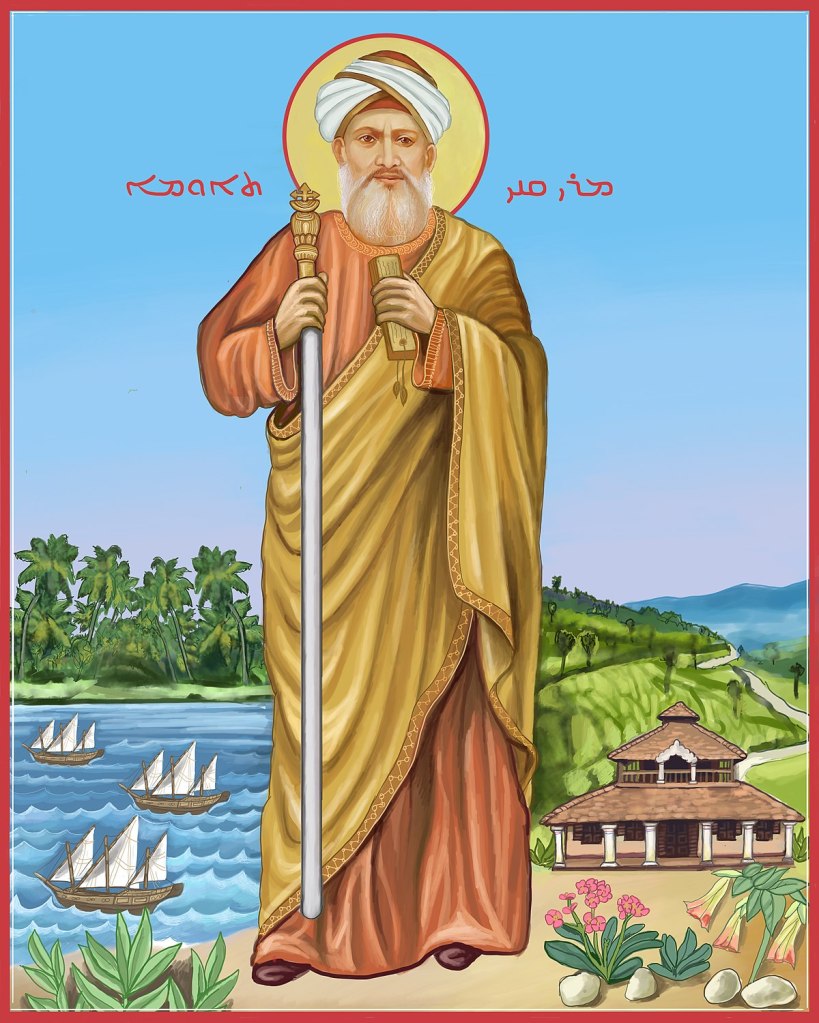
*In March 1990 vis Patriarchal Apostolic Bull No. EI 30/90, the thrice blessed late Patriarch HH Moran Mor Ignatius Zakka I Iwas of blessed memory declared Mor Knai Thoma as a saint, & granted permission to recite his name in the 5th Dypthic (Thubden d-Qadishe) of the Holy Qurbono. The dukhrono of St. Knai Thoma is remembered every year on the 36th day (Sixth Sunday) of the Great Lent in the Syriac Orthodox Church.*
Oh Mor Knai Thoma! Plead for us before God’s throne of grace. Amen.
 St. Mary's Knanaya Church, Tampa